How Do You Choose the Right EV Charger for Your Vehicle?
If you’ve recently bought an electric vehicle or you’re planning to, one of the first questions that comes up is simple but important: how do you choose the right EV charger for your vehicle? With so many charger types, power ratings, and connector standards available in India today, it’s easy to feel overwhelmed before you’ve even plugged in for the first time. At CJ Power Zone, we get asked how do you choose the right EV charger for your vehicle constantly by customers across Punjab and beyond, so we’ve put together a practical guide to help you choose without the guesswork.
Start With Your Vehicle's Charging Specifications
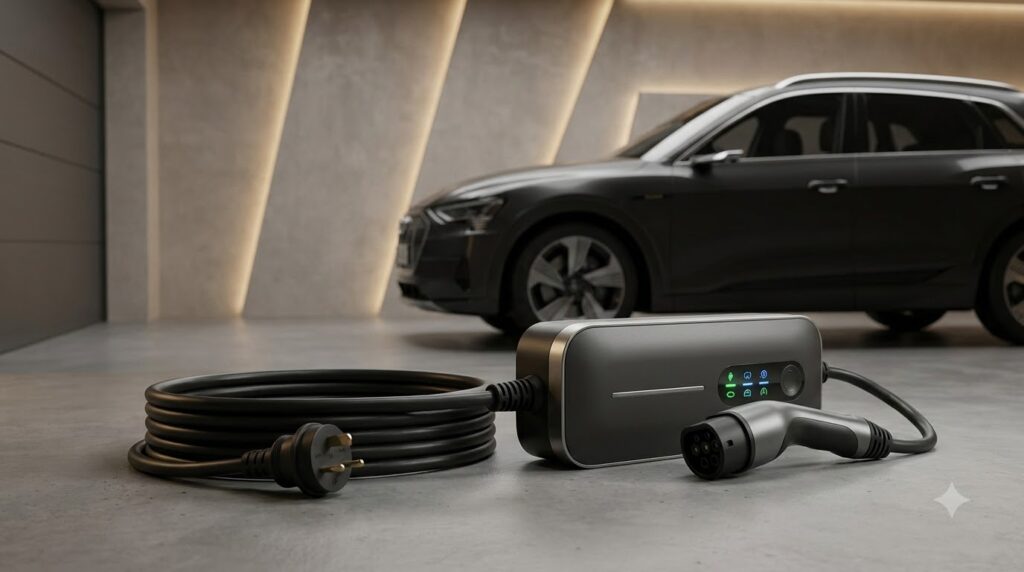
Before anything else, check your EV’s onboard charger capacity and the connector type it supports, since these two details will determine which chargers are even compatible with your vehicle in the first place. Most passenger EVs in India today support either a Type 2 AC connector or a CCS2 combo connector for faster DC charging — for a deeper technical breakdown, Bolt.Earth’s guide to EV charging connectors in India covers how these standards work.
Installing a charger with the wrong connector simply won’t work, no matter how good the unit is. It’s worth checking your vehicle’s manual or asking your dealership directly, since guessing at this stage can lead to buying equipment that never gets used — which is exactly why knowing how do you choose the right EV charger for your vehicle matters before you spend any money.
Match the Charger's Power Rating to Your Needs
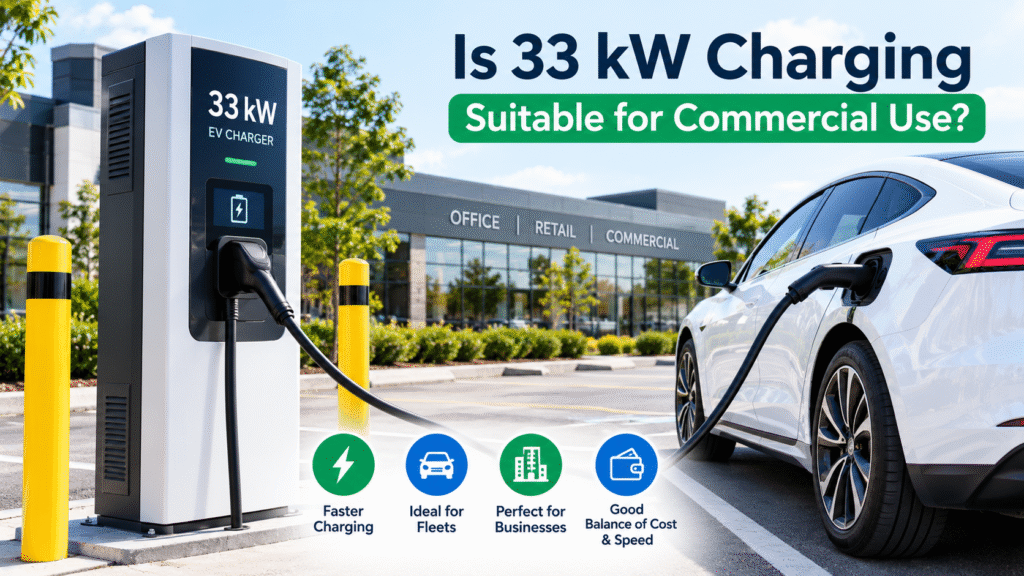
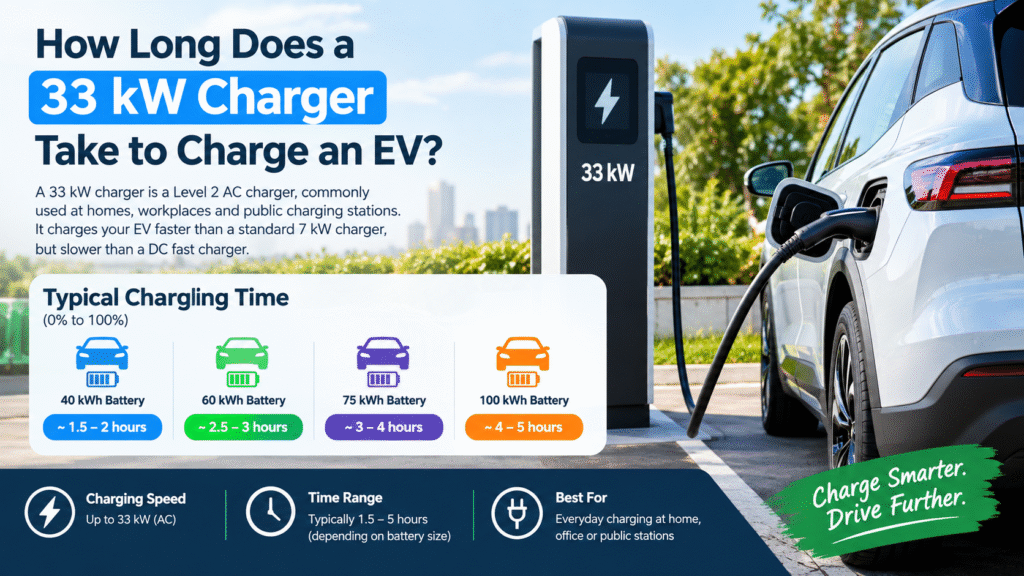
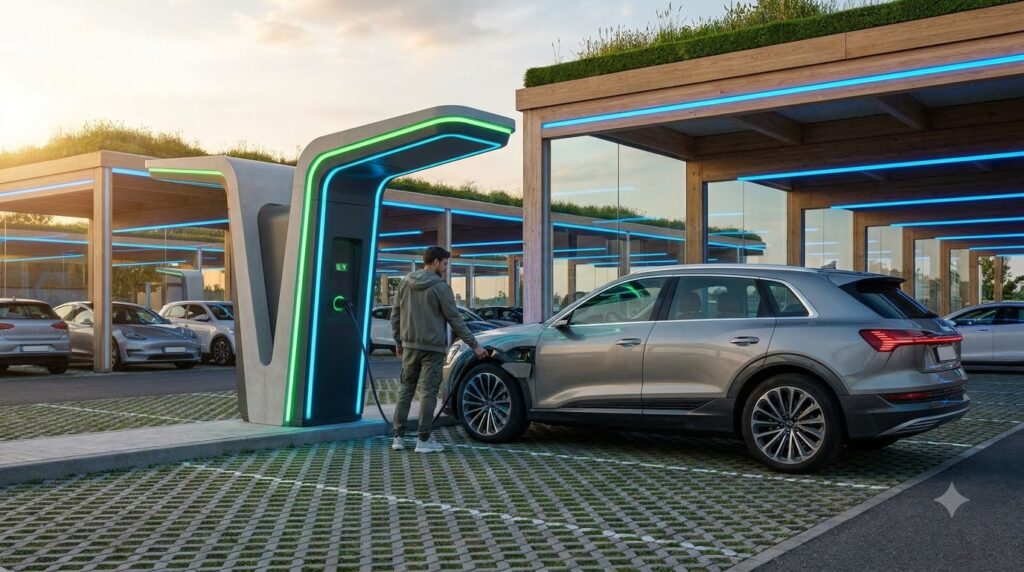
Once you know what your vehicle supports, the next step in choosing the right EV charger is matching the power rating to how you actually plan to use it. A slower AC home charger, typically in the 3.3 kW to 7.2 kW range, works well for overnight charging when the car sits idle for hours anyway. If you need faster turnaround, such as for a commercial fleet or a business location with high vehicle traffic, a DC fast charger with a much higher output becomes the more sensible option, even though it comes at a higher upfront cost.
Charger Selection at a Glance
| Factor | What to Consider |
|---|
| Connector Type | Choose Type 2 AC or CCS2 DC depending on your vehicle’s compatibility. |
| Power Rating | Select the right charging speed based on home, commercial, or fleet requirements. |
| Installation Location | Consider whether the charger will be installed at home, in an office, or at a public charging station. |
| Smart Features | Look for features such as app control, remote monitoring, and charging usage tracking. |
| Safety Certification | Ensure the equipment meets applicable BIS and CEA safety and compliance standards. |
Don't Overlook Installation and Safety
A charger is only as good as its installation, and this is where working with a certified provider makes a real difference. Wiring, load capacity, and earthing all need to be assessed properly before a charger goes in, particularly for home installations where the existing electrical setup may not have been designed with EV charging in mind.
At CJ Power Zone, our team evaluates your site before recommending equipment, so you’re not left with a charger that’s mismatched to your home or business’s electrical capacity.
Think About Smart Features Too
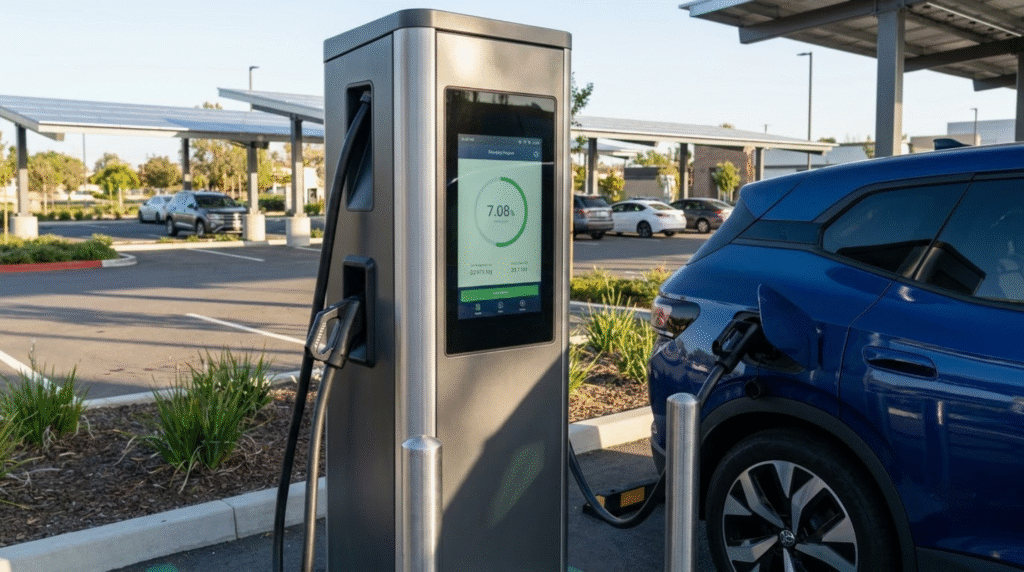
Modern EV chargers increasingly come with smart features like app-based control, remote monitoring, and real-time usage data through a connected CMS platform. If you’re choosing a charger for a business or commercial property, these features can make a meaningful difference in day-to-day management, letting you track usage and handle multiple charging points without needing someone on-site constantly. This is another factor to weigh when working out how do you choose the right EV charger for your vehicle or your business.
Why Choose CJ Power Zone for Your Charger
- Authorized Channel Partner of Adani Total Energies E-Mobility Ltd.
- Site evaluation before recommending the right charger for your needs
- High-quality, BIS and CEA-compliant charging equipment
- 24/7 customer support and easy-to-use management systems
- Years of infrastructure and power services expertise, with a trusted partnership with Indus Towers since 2008
Reach Out to Us
FAQs:
1. What connector type do most EVs in India use?
Most passenger EVs use either a Type 2 AC connector for standard charging or a CCS2 connector for faster DC charging, so it’s important to confirm which one your vehicle supports before buying a charger.
2. Is a home charger enough, or do I need a fast charger?
For most private vehicle owners, a home AC charger is sufficient since the car typically charges overnight. Fast DC chargers are better suited to commercial use or situations where quick turnaround is essential.
3. Can I install an EV charger myself?
It’s not recommended. Installation involves assessing wiring, load capacity, and safety compliance, which is best handled by a certified provider like CJ Power Zone.
4. Do smart chargers cost significantly more than basic ones?
Smart chargers typically cost more upfront, but the added convenience of remote monitoring and usage tracking often makes them worthwhile for businesses managing multiple charging points.
5. How do I know if my home's electrical setup can support an EV charger?
A site evaluation is the best way to confirm this. Our team at CJ Power Zone checks your existing wiring and load capacity before recommending equipment.