Which Factors Affect the Speed of EV Charging?
If you’ve ever plugged in your EV and wondered why it charges faster at one location than another, you’re not alone. Which factors affect the speed of EV charging is one of the most common questions we hear at CJ Power Zone, and the answer involves more than just the charger itself. A number of variables, from your vehicle’s onboard hardware to the specific charging equipment you’re using, all play a role in how quickly your battery fills up — and understanding which factors affect the speed of EV charging can help you plan your charging stops more efficiently.
Charger Type Is the Biggest Factor
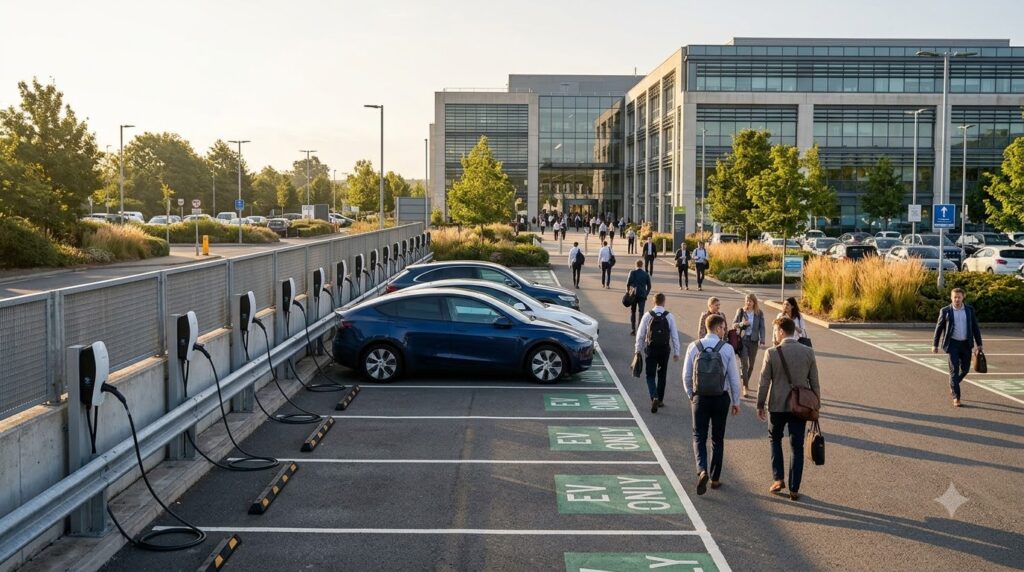
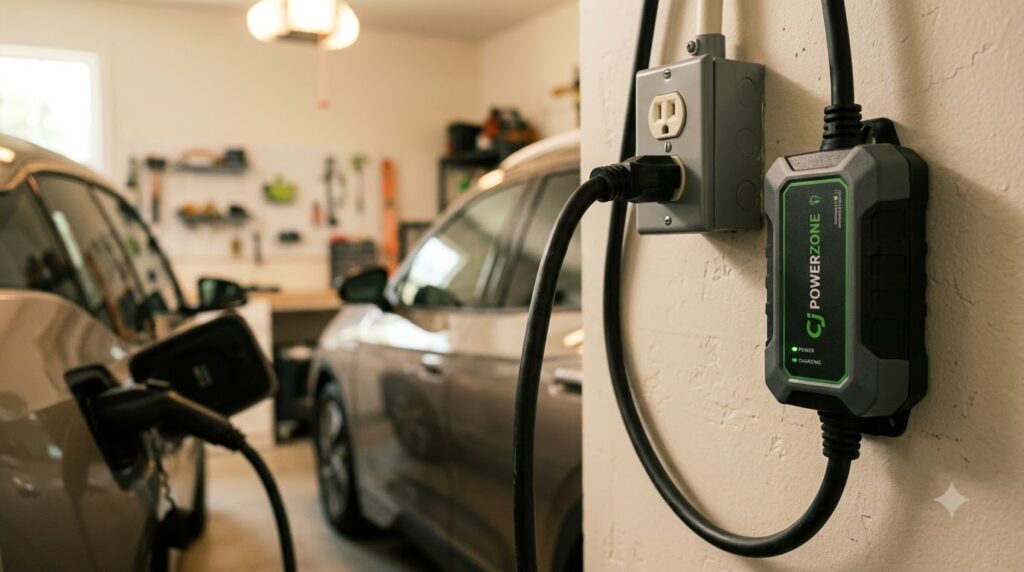
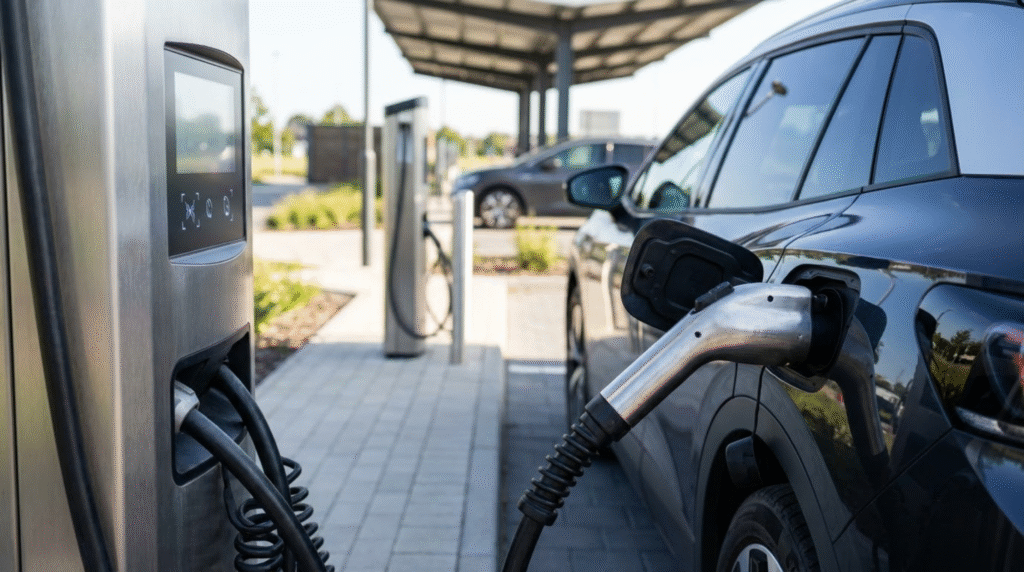
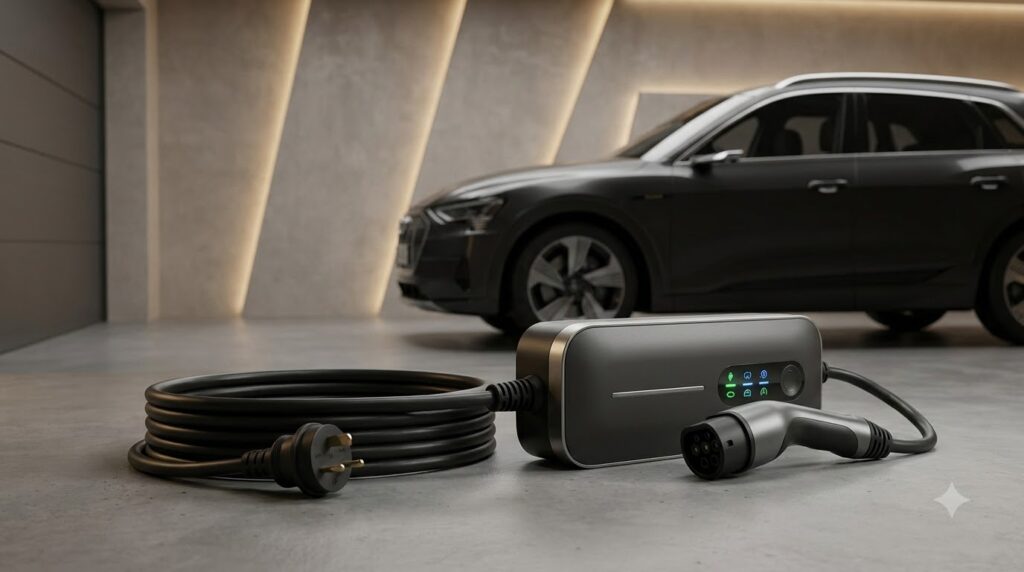
The single biggest factor affecting EV charging speed is the type of charger being used. AC chargers, commonly used at home and in the 3.3 kW to 7.2 kW range, charge relatively slowly and are best suited for overnight use. DC fast chargers, on the other hand, can deliver significantly more power directly to the battery, cutting charging time down dramatically, which is why they’re the preferred option for commercial locations and highway charging points.
Your Vehicle's Onboard Charger Sets a Ceiling
Even with access to a powerful charger, your vehicle’s onboard charger capacity ultimately sets a limit on how fast it can actually charge. If your EV’s onboard charger only supports a maximum of 7 kW, for example, plugging into a more powerful AC charger won’t speed things up, since the vehicle itself becomes the bottleneck. This is an important factor to understand before assuming a faster charger will automatically mean faster charging.
Battery Size and Current Charge Level Matter Too
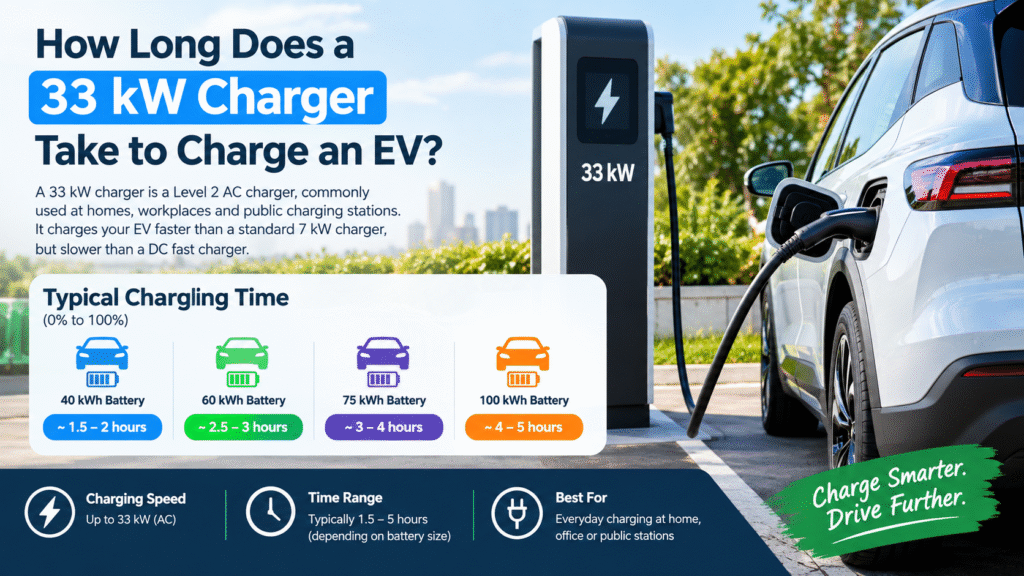
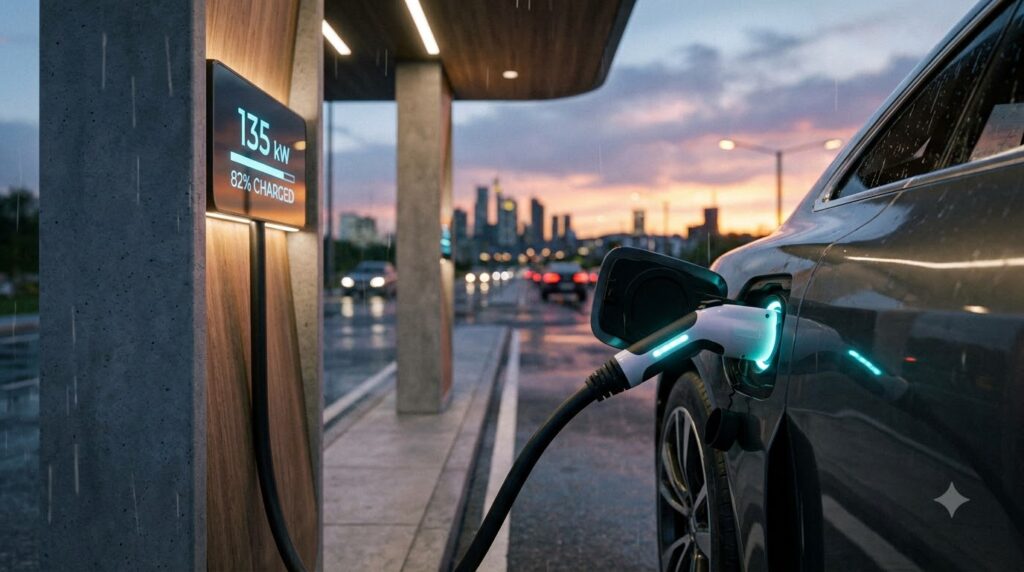
Larger battery packs generally take longer to charge fully than smaller ones, simply because there’s more capacity to fill. On top of that, most EV batteries charge faster between roughly 20% and 80% capacity, then slow down considerably as they approach a full charge to protect battery health — a well-documented pattern known as the EV charging curve. This is why fast charging is often most efficient for a quick top-up rather than charging all the way to 100%, and it’s one of the clearest examples of which factors affect the speed of EV charging in real-world use.
Think About Smart Features Too
| Factor | Impact on Charging Speed |
|---|
| Charger Type (AC vs. DC) | DC fast chargers can deliver power much faster than standard AC chargers. |
| Vehicle’s Onboard Charger Capacity | Determines the maximum charging speed the vehicle can accept from an AC charger. |
| Battery Size | Larger battery packs generally require more time to reach a full charge. |
| Current Charge Level | Charging typically slows down as the battery approaches 80% capacity. |
| Ambient Temperature | Very high or low temperatures can reduce charging efficiency and increase charging time. |
Temperature and Cable Quality Play a Role Too
Extreme temperatures, whether very hot or very cold, can affect how efficiently a battery accepts charge, which is why charging speed can vary slightly with the seasons. Cable and connector quality matter as well, since poor-quality equipment can introduce resistance that slows down the charging process or, in worse cases, creates a safety risk.
What Sets CJ Power Zone Apart
- High-quality, durable chargers engineered for consistent performance
- Both AC and DC charging solutions tailored to your speed requirements
- 99% uptime reliability across our charging network
- Site evaluation to recommend the right charging speed for your needs
- Authorized Channel Partner of Adani Total Energies E-Mobility Ltd.
Talk to Our Team
FAQs:
1. Why does my EV charge slower at home than at a public fast charger?
Home chargers are typically AC units with lower power output, while public fast chargers use DC technology that can deliver power much more quickly.
2. Can a faster charger damage my EV's battery?
Reputable EVs and chargers, including those from CJ Power Zone, are designed with safeguards that manage charging speed appropriately, so this isn’t typically a concern with certified equipment.
3. Why does charging slow down near a full battery?
This is intentional. Most EVs reduce charging speed above 80% capacity to protect long-term battery health, which is normal behaviour across nearly all electric vehicles.
4. Does cold weather affect EV charging speed?
Yes, extreme cold can reduce charging efficiency slightly, as batteries generally accept charge less efficiently outside their optimal temperature range.
5. Is it worth upgrading to a faster home charger?
It depends on your daily driving needs. If your vehicle is typically charging overnight anyway, a standard AC charger is usually sufficient.